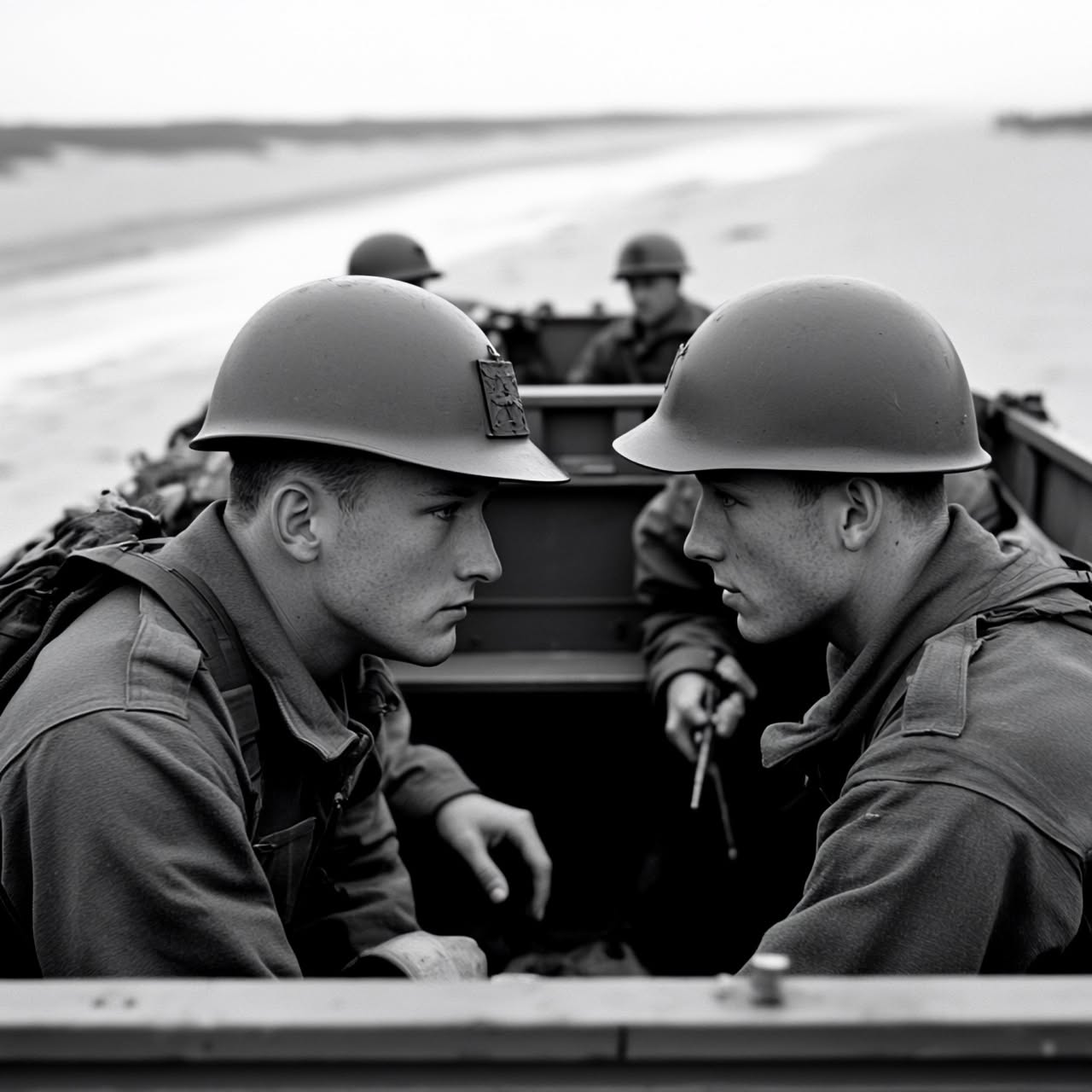
Complete guide to World War 2 1939-1945. Timeline of major battles, turning points, leaders like Hitler Churchill Roosevelt, atomic bomb, and impact on modern world explained with table.
World War 2 1939-1945 was the deadliest conflict in human history. Over 70 million people died. More than 30 countries fought in it. This war started in Europe but spread to every continent except Antarctica. It changed borders, governments, technology, and the world balance of power forever.
This war is called the Founding Era of the modern world. The United Nations, Cold War, nuclear age, and decolonization all started because of World War 2.
Why Did World War 2 Start? Main Causes
World War 2 did not start in one day. These 4 reasons built up for 20 years after World War 1 ended in 1918.
1. Treaty of Versailles 1919: Germany lost World War 1. The winners forced Germany to pay huge money, give up land, and keep a small army. German people felt humiliated and angry. This anger helped Adolf Hitler rise to power.
2. Rise of Dictators: Adolf Hitler in Germany, Benito Mussolini in Italy, and Emperor Hirohito in Japan wanted to expand their empires. They believed in military rule and did not want democracy.
3. Failure of League of Nations: After World War 1, countries made the League of Nations to keep peace. But it had no army. When Japan attacked China in 1931 and Italy attacked Ethiopia in 1935, the League did nothing.
4. Appeasement Policy: Britain and France let Hitler take Austria and Czechoslovakia in 1938. They thought if they gave him land, he would stop. But Hitler wanted more. On September 1, 1939 he attacked Poland. Britain and France declared war. World War 2 began.
Two Sides in World War 2: Allies vs Axis Powers
The world was divided into two major groups.
Allied Powers – The Winners:
- United States – Led by President Franklin D. Roosevelt, then Harry Truman
- Soviet Union – Led by Joseph Stalin
- United Kingdom – Led by Prime Minister Winston Churchill
- China – Led by Chiang Kai-shek
- France – Free French forces led by Charles de Gaulle
Axis Powers – The Losers:
- Nazi Germany – Led by Adolf Hitler
- Imperial Japan – Led by Emperor Hirohito and Hideki Tojo
- Fascist Italy – Led by Benito Mussolini until 1943
Major Battles & Turning Points Timeline 1939-1945
This table shows the 8 battles that decided the war.
| Year | Battle | Location | Why It Mattered | Winner |
|---|---|---|---|---|
| 1939 | Invasion of Poland | Poland | Started World War 2. Blitzkrieg tactic used | Germany |
| 1940 | Battle of Britain | UK Sky | Hitler failed to invade Britain. First major defeat | Britain |
| 1941 | Attack on Pearl Harbor | Hawaii, USA | USA joined the war. War became global | Japan tactical win |
| 1942 | Battle of Midway | Pacific Ocean | US Navy destroyed 4 Japanese carriers. Turning point | USA |
| 1942 | Battle of Stalingrad | Soviet Union | Germany lost 800,000 soldiers. Never recovered | Soviet Union |
| 1944 | D-Day Normandy | France | 156,000 Allied troops landed. Opened Western Front | Allies |
| 1945 | Battle of Berlin | Germany | Hitler died. Germany surrendered May 8 1945 | Soviet Union |
| 1945 | Hiroshima & Nagasaki | Japan | Atomic bombs dropped. Japan surrendered August 15 | USA |
3 Weapons & Technology That Changed Warfare
World War 2 was the first “modern” war. These inventions changed all future wars.
1. Atomic Bomb: The United States built it in the Manhattan Project. In August 1945, two bombs were dropped on Hiroshima and Nagasaki in Japan. Over 200,000 people died. Japan surrendered 6 days later. This started the nuclear age.
2. Radar & Sonar: Britain used radar to detect German planes during the Battle of Britain. Sonar helped find submarines. These tools made surprise attacks harder.
3. Tanks & Aircraft Carriers: Germany used fast tanks in Blitzkrieg attacks. The US and Japan fought huge naval battles with aircraft carriers in the Pacific. Planes became more important than battleships.
The Holocaust: Genocide During World War 2
Nazi Germany killed 6 million Jews and 5 million other people in the Holocaust. Hitler blamed Jews for Germany’s problems. Jews were sent to concentration camps like Auschwitz. They were killed in gas chambers or died from hunger and work.
The world found out about this in 1945 when Allied soldiers freed the camps. After the war, Nazi leaders were put on trial at Nuremberg. This created the idea of “crimes against humanity” in international law.
How World War 2 Ended
In Europe: Soviet troops captured Berlin in April 1945. Hitler died by suicide on April 30. Germany surrendered on May 8, 1945. This day is called V-E Day, Victory in Europe Day.
In Pacific: After the atomic bombs in August 1945, Japan surrendered on August 15. The formal surrender was signed on September 2, 1945 on the USS Missouri. This day is V-J Day, Victory over Japan Day.
5 Ways World War 2 Reshaped the Modern World
- United Nations Created 1945: 51 countries made the UN to prevent another world war. Today 193 countries are members.
- Cold War Started: USA and Soviet Union were allies in war but became enemies after. This led to 45 years of Cold War.
- Decolonization: Britain and France were weak after war. India, Pakistan, and African countries got independence from 1947 to 1960s.
- Economic Boom: The US became the richest country. The Marshall Plan rebuilt Europe with 13 billion dollars.
- Human Rights Law: After the Holocaust, countries signed the Universal Declaration of Human Rights in 1948.
Conclusion
World War 2 from 1939 to 1945 was the most important war in modern history. It started because of dictators and failed peace treaties. Over 70 million people died in battles, bombings, and the Holocaust. Major turning points like Stalingrad, D-Day, and Hiroshima decided the outcome.
The Allied Powers won, but the world was destroyed. From that destruction came the United Nations, nuclear weapons, and the Cold War. The borders and countries we see today were mostly made after this war.
Understanding World War 2 is important because it explains why the modern world looks the way it does. The lessons of this war still guide international politics today.
Alt Text for Image: World War 2 timeline 1939 1945 major battles map D-Day Normandy Allied forces Axis Powers Hitler Churchill Roosevelt Stalin
Caption: June 6, 1944: Allied troops storm the beaches of Normandy, France on D-Day. This massive invasion was the turning point that led to Nazi Germany's defeat in World War 2