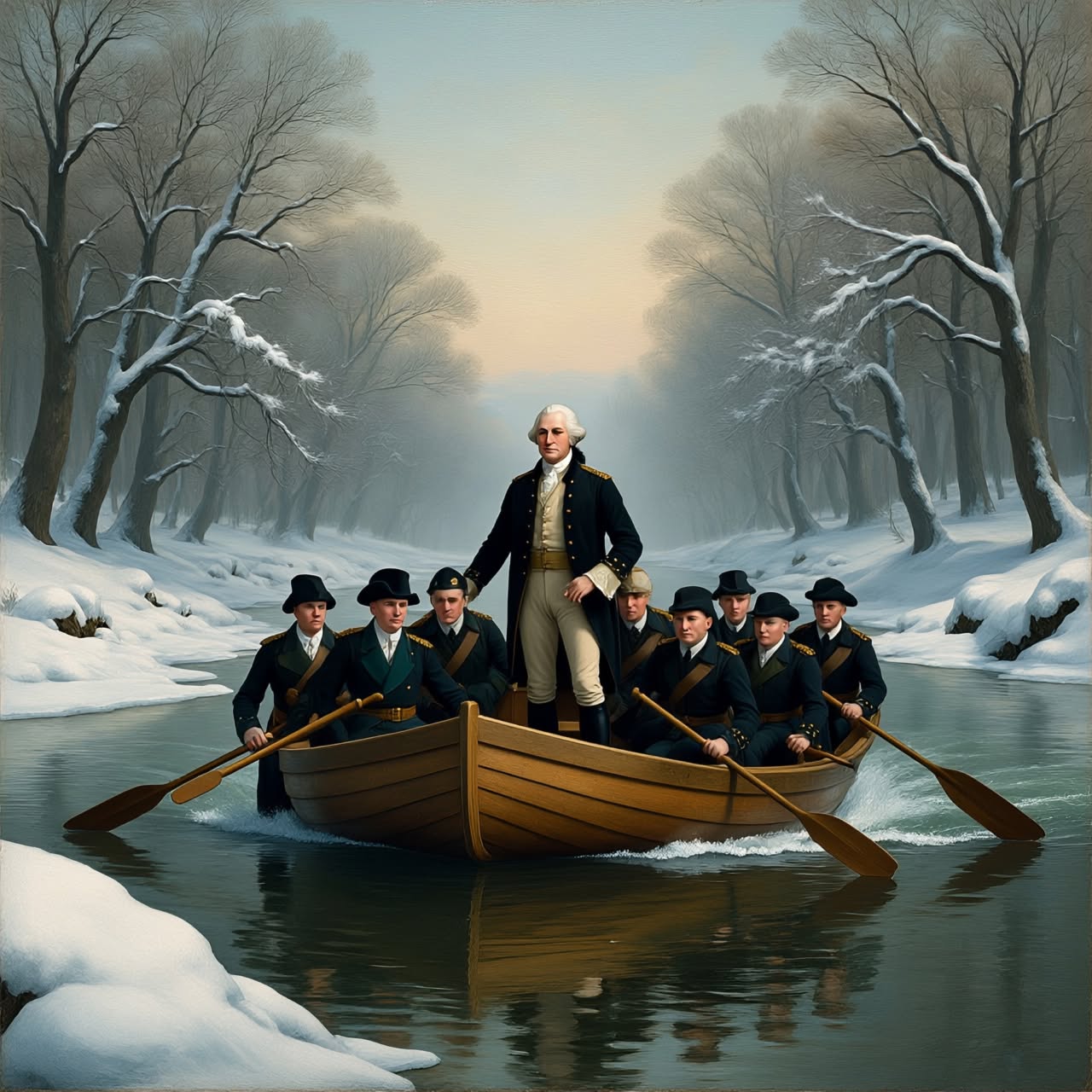
The Founding Era of the United States from 1776 to 1789. Key events from Declaration of Independence to Constitution. Important dates, leaders, and timeline table for students.
Focus Keyword: Founding Era of United States
Introduction
The Founding Era refers to the period when the United States of America was created as a new nation. This era lasted from 1776 to 1789 – just 13 years, but these years changed world history forever. It started when 13 colonies declared independence from Britain and ended when George Washington became the first President under a new Constitution. For students of history, CSS, and competitive exams, this Founding Era is one of the most important topics. Let’s break it down with dates, leaders, and a simple table.
1. How the Founding Era Started: Declaration of Independence 1776
The Founding Era officially began on 4th July 1776.
Key points:
- Event: 13 American colonies announced they were no longer part of British rule.
- Document: Thomas Jefferson wrote the Declaration of Independence.
- Main Idea: “All men are created equal” and have the right to “life, liberty, and pursuit of happiness”.
This was the first time in modern history that colonies successfully broke away from a European empire. That is why 4th July is celebrated as Independence Day in the US.
2. Timeline of the Founding Era 1776-1789: Must-Know Dates
This table is gold for exams. Memorize it and you can answer any 5-mark question.
| Year | Major Event | Why It Matters |
|---|---|---|
| 1776 | Declaration of Independence | 13 colonies become “United States”. War with Britain starts |
| 1781 | Articles of Confederation | First US government system. But it was too weak |
| 1783 | Treaty of Paris | Britain officially accepts US independence. War ends |
| 1787 | Constitutional Convention | Leaders meet in Philadelphia to write a new Constitution |
| 1789 | US Constitution + First President | George Washington becomes President. Founding Era ends |
3. 3 Most Important Leaders of the Founding Era
- George Washington: Commander of the army during the war. Later became the 1st President in 1789. Known as “Father of the Nation”.
- Thomas Jefferson: Wrote the Declaration of Independence in 1776. Later became 3rd President.
- James Madison: Called “Father of the Constitution”. He wrote most of the US Constitution and Bill of Rights.
4. 3 Biggest Problems During the Founding Era
Building a new country was not easy. The leaders faced huge challenges:
- War with Britain: 1776 to 1783, the US fought a long war for freedom called the American Revolutionary War.
- Weak Government: The first government under Articles of Confederation had no power to collect taxes or control trade.
- No Unity: The 13 states acted like 13 separate countries. They fought over money and land.
The new Constitution in 1789 solved these problems by creating a strong federal government.
5. Why the US Founding Era Still Matters in 2026
The Founding Era gave the world 3 big ideas that we still use today:
- Written Constitution: The US Constitution of 1789 is the oldest one still used today.
- Democracy: Idea that leaders are elected by people, not born into power.
- Bill of Rights: First 10 amendments gave people freedom of speech, religion, and press.
Almost every modern democracy has copied something from the US Founding Era.
Conclusion: Lessons from the Founding Era
The Founding Era proves that a group of determined people can create a new system in just 13 years. They went from being British colonies in 1776 to a strong federal republic by 1789. For students, the key is to remember the timeline: 1776 Declaration, 1783 War Ends, 1789 Constitution. This sequence is asked in almost every history paper.
Exam Tip: If question comes “Discuss Founding Era of USA”, start with 1776, end with 1789, and draw the table given above. You will get full marks.